

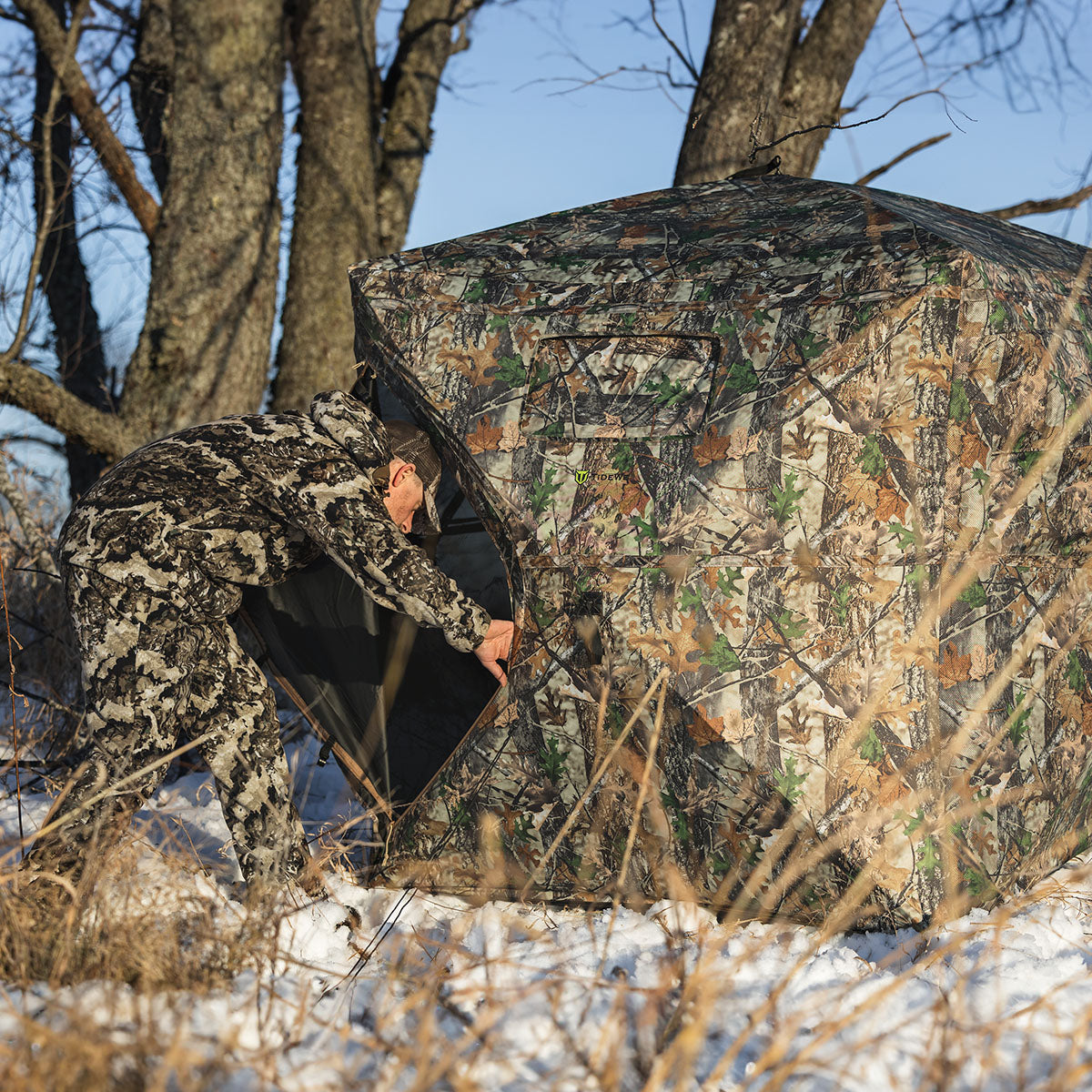
Introduction
A successful hunting trip requires preparation, patience, and the right equipment. One of the most valuable tools a hunter can own is a hunting blind. It provides concealment, protects against changing weather, and allows hunters to observe wildlife without being easily detected. Whether you hunt deer, turkey, or other game animals, a quality hunting blind can improve both comfort and success.
Modern hunting blinds have evolved significantly over the years. New materials, improved camouflage, and innovative visibility features make today’s blinds more effective than ever before. Understanding these advancements can help hunters select equipment that matches their hunting style and outdoor conditions.
Why Hunting Blinds Are Essential
Wildlife relies on sharp senses to detect danger. Deer, for example, can quickly notice movement or unfamiliar shapes, while many game animals have an excellent sense of smell. Hunting blinds reduce these risks by hiding the hunter and minimizing visible movement.
Some important benefits of hunting blinds include:
-
Better concealment from wildlife.
-
Protection from wind, rain, and cold temperatures.
-
Greater comfort during long hunting sessions.
-
Improved concentration while waiting for game.
-
Increased opportunities for safe and ethical shots.
These advantages make hunting blinds an important part of every hunter’s equipment.
Types of Hunting Blinds
Different hunting situations require different types of blinds.
Portable Ground Blinds
Portable models are lightweight and easy to transport. They are ideal for hunters who frequently change locations.
Permanent Blinds
Permanent blinds are designed for long-term use in areas with consistent wildlife activity.
Elevated Blinds
These blinds provide a higher viewing angle and are useful in locations with dense vegetation.
Pop-Up Blinds
Pop-up blinds offer quick setup and compact storage, making them a favorite among many hunters.
Features to Consider Before Buying
Choosing the right hunting blind involves comparing several important features.
Interior Space
A spacious blind allows room for chairs, hunting equipment, and comfortable movement.
Durable Materials
Weather-resistant fabrics and strong support frames help the blind withstand outdoor conditions throughout the hunting season.
Quiet Construction
Soft materials reduce unwanted noise that could alert nearby animals.
Adjustable Windows
Large windows provide better visibility while maintaining excellent concealment.
Portability
Hunters who travel between locations should consider lightweight designs that are easy to carry.
Why Hunters Choose Insulated Ground Blinds
Many hunters spend long hours outdoors in cold weather. Insulated ground blinds provide additional protection by helping retain warmth and reducing exposure to harsh wind and low temperatures.
Better Cold Weather Comfort
Insulated walls help keep the interior warmer, making extended hunting sessions more comfortable during late-season hunts.
Reduced Wind Exposure
Strong insulation helps block cold winds that can quickly lower body temperature.
Quieter Interior
The additional insulation can also reduce noise inside the blind, allowing hunters to move more quietly.
Longer Hunting Sessions
Comfortable hunters are more likely to remain patient and stay in position for extended periods, increasing the chance of seeing game.
Multi-Season Use
Insulated blinds can be useful in both cold weather and moderate conditions, making them a versatile investment.
Advantages of See-Through Hunting Blinds
One of the most popular innovations in modern hunting equipment is see-through hunting blinds. Unlike traditional blinds that rely on small viewing windows, these blinds use specialized mesh panels that allow hunters to see outside while remaining concealed.
Wider Field of View
Hunters can observe a larger area without changing position or constantly looking through narrow windows.
Reduced Movement
Improved visibility reduces the need to move frequently inside the blind, making it less likely that wildlife will notice the hunter.
Faster Reaction Time
A wider view allows hunters to detect approaching animals sooner and prepare for a safe, ethical shot.
Better Wildlife Observation
In addition to hunting, see-through hunting blinds are useful for wildlife photography, birdwatching, and nature observation.
Tips for Effective Blind Placement
Proper blind placement is just as important as selecting the right blind.
Scout Before Hunting
Locate deer trails, feeding areas, bedding sites, and water sources before setting up your blind.
Blend Into the Environment
Use nearby branches, grass, and leaves to help the blind blend naturally with its surroundings.
Set Up Early
Placing the blind several days before hunting allows wildlife to become familiar with its appearance.
Watch Wind Direction
Always position your blind so that your scent moves away from expected animal travel routes.
Maintaining Your Hunting Blind
Proper maintenance helps extend the life of your hunting equipment.
After each hunting trip, remove dirt, leaves, mud, and moisture from the blind. Allow it to dry completely before folding and storing it to prevent mold and mildew.
Inspect poles, hubs, zippers, windows, and tie-down straps regularly for signs of wear. Prompt repairs help prevent larger problems and keep the blind ready for future hunts.
Store the blind in a dry location away from excessive heat and moisture.
Conclusion
Modern hunting blinds offer hunters greater comfort, concealment, and convenience than ever before. Insulated ground blinds provide valuable protection during cold-weather hunts, allowing hunters to remain comfortable for longer periods. At the same time, see-through hunting blinds improve visibility while reducing movement, helping hunters stay hidden from wildlife. By selecting the right blind, placing it strategically, and maintaining it properly, hunters can enjoy safer, more comfortable, and more successful hunting experiences throughout every season.