


Mount Kilimanjaro is more than just Africa’s tallest mountain—it’s one of the world’s most iconic trekking destinations and a bucket-list adventure for travelers from every corner of the world. Rising to an impressive 5,895 meters (19,341 feet) above sea level, this magnificent free-standing volcano dominates the landscape of northern Tanzania and offers an unforgettable journey through some of the most diverse ecosystems found on a single mountain. From lush tropical rainforests and open moorlands to alpine deserts and snow-covered glaciers, every stage of the climb presents a completely different environment, making the trek as scenic as it is rewarding.
One of the reasons Kilimanjaro is so popular is that it is accessible to people with little or no mountaineering experience. Unlike many of the world’s highest peaks, climbing Kilimanjaro does not require ropes, ice axes, or technical climbing skills. Instead, it is a high-altitude trekking adventure that rewards determination, proper preparation, and a steady pace. This unique combination makes it an attractive destination for first-time trekkers, seasoned hikers, solo travelers, families, and adventure enthusiasts looking to challenge themselves while experiencing one of Africa’s greatest natural wonders.
Although thousands of climbers attempt the summit each year, reaching Uhuru Peak is far more challenging than many people expect. The biggest obstacle is not the terrain but the altitude. As the trail climbs higher, the oxygen level decreases significantly, making acclimatization one of the most important factors in a successful summit. Choosing the right route, allowing enough time for your body to adjust, maintaining a slow and steady pace, staying hydrated, and trekking with experienced mountain guides all play a crucial role in improving your chances of success.
Planning ahead is equally important. Before setting foot on the mountain, trekkers should understand the different climbing routes, the best seasons to visit, the level of physical fitness required, and the essential gear needed for changing weather conditions. Proper preparation not only increases the likelihood of reaching the summit but also ensures a safer and more enjoyable experience throughout the expedition. Whether you’re looking for a shorter climb or a longer itinerary with better acclimatization, selecting the right Mount Kilimanjaro Climbing Tours can make a significant difference in your overall experience.
Why Climb Mount Kilimanjaro?
Mount Kilimanjaro offers one of the most rewarding trekking experiences on Earth. Unlike technical mountains that require ropes, ice axes, and advanced climbing skills, Kilimanjaro is accessible to hikers with determination, proper preparation, and a positive mindset. This makes it one of the few high-altitude mountains in the world where beginners can successfully reach the summit with the support of experienced guides and a well-planned itinerary.
One of the most remarkable aspects of climbing Kilimanjaro is the incredible diversity of landscapes you encounter during the journey. As you ascend, the scenery changes dramatically, giving you the feeling of traveling through multiple climates in just a few days. During your trek, you’ll pass through five unique ecological zones:
- Lush rainforest
- Heath and moorland
- Alpine desert
- Arctic summit zone
- Snow-covered glaciers
Each zone offers its own unique beauty and wildlife, making every day of the climb feel different from the last. The lower slopes are home to dense forests filled with colorful birds, monkeys, and diverse plant life, while the higher elevations reveal vast open landscapes, rugged volcanic terrain, and breathtaking panoramic views. As you approach the summit, the landscape transforms into an icy alpine environment where glaciers and snowfields create a spectacular contrast against the African plains below.
Where Is Mount Kilimanjaro?
Mount Kilimanjaro is located in northeastern Tanzania, close to the Kenyan border, and is one of the country’s most famous natural landmarks. As the highest mountain in Africa and the world’s tallest free-standing mountain, it rises majestically above the surrounding plains, making it visible from many kilometers away on a clear day. The mountain lies within Kilimanjaro National Park, a UNESCO World Heritage Site recognized for its exceptional natural beauty, unique ecosystems, and rich biodiversity.
The nearest town to the mountain is Moshi, which serves as the main gateway for most Mount Kilimanjaro Climbing Tours. Located at the foot of the mountain, Moshi offers a wide range of accommodations, restaurants, equipment rental shops, and tour operators, making it the ideal base for trekkers before and after their climb. Many climbers spend at least one night in Moshi to rest, attend a pre-trek briefing, and complete final equipment checks before heading to their designated trailhead.
For international travelers, the closest airport is Kilimanjaro International Airport (JRO), situated between Moshi and Arusha. The airport provides convenient access for visitors arriving from major cities within Africa and international destinations. From the airport, it’s typically a short drive to Moshi, where most trekking adventures begin.
Is Kilimanjaro Suitable for Beginners?
Is Kilimanjaro Suitable for Beginners?
Yes, Mount Kilimanjaro is suitable for beginners, and every year thousands of first-time trekkers successfully reach Uhuru Peak. One of the reasons Kilimanjaro is so popular is that it is a non-technical mountain. Unlike many of the world’s highest peaks, it does not require previous mountaineering experience or specialized climbing skills. With the right preparation, determination, and guidance, beginners have an excellent chance of completing the trek.
You do not need:
- Rock climbing experience
- Ice climbing skills
- Mountaineering certification
However, successfully climbing Kilimanjaro requires more than simply being enthusiastic. Good physical fitness is important, as you’ll be hiking for several hours each day over varied terrain and at increasing altitudes. While you don’t need to be an elite athlete, regular cardio exercises, hiking, and strength training before your trip can significantly improve your endurance and overall trekking experience.
You should also have:
- Good physical fitness
- Mental determination
- Proper acclimatization
- Professional guides
The biggest challenge on Kilimanjaro is not the steepness of the trail but the high altitude. As you climb higher, oxygen levels decrease, making it essential to give your body enough time to acclimatize. Choosing a longer itinerary—typically seven or eight days instead of five or six—greatly improves your chances of reaching the summit safely and comfortably. Experienced guides carefully monitor your health, set a steady pace, and help you manage the effects of altitude throughout the trek.
Best Time to Climb Mount Kilimanjaro
The mountain can be climbed throughout the year, but certain seasons provide better weather conditions.
January to March
This period offers cooler temperatures and fewer crowds. It is an excellent time for photographers due to clearer skies and occasional snow near the summit.
June to October
These months are the most popular for Mount Kilimanjaro Climbing Tours because of dry weather and stable trekking conditions.
Avoid Heavy Rainy Seasons
The long rainy season (April–May) and short rains (November) can make trails muddy and more challenging.
Choosing the Best Kilimanjaro Route
Choosing the Best Kilimanjaro Route
Selecting the right route is one of the most important decisions you’ll make when planning your Kilimanjaro adventure. Each route offers a different combination of scenery, trekking difficulty, duration, and acclimatization opportunities. Your choice can significantly influence not only your overall experience but also your chances of successfully reaching Uhuru Peak. Factors such as your fitness level, available time, budget, and previous hiking experience should all be considered before selecting a route.
Machame Route
Known as the “Whiskey Route,” Machame offers excellent scenery and good acclimatization. It is one of the most recommended routes for beginners willing to hike for six or seven days. The trail passes through lush rainforest, scenic ridges, and alpine landscapes before reaching the summit. Although some sections are steeper than other routes, the gradual ascent profile provides climbers with a better opportunity to adapt to the altitude, contributing to a high summit success rate.
Lemosho Route
Lemosho is famous for spectacular scenery, lower crowds, and one of the highest summit success rates thanks to its gradual ascent. Beginning on the western side of the mountain, this route offers a quieter and more peaceful trekking experience during the first few days. It is an excellent choice for climbers who want additional acclimatization time while enjoying some of Kilimanjaro’s most breathtaking landscapes.
Marangu Route
Often called the “Coca-Cola Route,” Marangu is the only route with mountain huts instead of camping. While popular, its shorter itinerary can reduce acclimatization time. The comfortable hut accommodation makes it appealing to trekkers who prefer not to camp, but choosing a longer itinerary on this route can improve the chances of a successful summit. It is also one of the oldest and most established routes on the mountain.
Rongai Route
Approaching from the northern side of the mountain, Rongai is quieter and generally drier during the rainy season. The trail receives fewer visitors than the southern routes, making it ideal for those seeking a more peaceful trekking experience. Rongai also offers unique views of the Kenyan countryside and is considered one of the easier routes in terms of trail gradient, although proper acclimatization is still essential.
Northern Circuit
The Northern Circuit is the longest route on Kilimanjaro, offering exceptional acclimatization and one of the highest summit success rates. This route circles the northern slopes of the mountain, providing spectacular panoramic views and a true wilderness experience away from the busier trails. Although it requires more days on the mountain, the extra time allows climbers to adjust to the altitude gradually, making it an excellent choice for those focused on maximizing their chances of reaching Uhuru Peak.
Safety on Mount Kilimanjaro
Safety should always be the top priority when climbing Mount Kilimanjaro. Although thousands of people successfully reach the summit each year, the mountain’s high altitude and changing weather conditions require careful planning and professional support. Choosing an experienced and licensed trekking operator ensures that you have the guidance and resources needed to complete the climb safely.
Professional operators provide:
- Certified mountain guides
- Porters
- Emergency oxygen
- Pulse oximeters
- First aid equipment
- Emergency evacuation procedures
Throughout the trek, experienced guides regularly monitor climbers for signs of altitude sickness and encourage a slow, steady pace to improve acclimatization. They also conduct routine health checks and are trained to respond quickly if any medical issues arise. Attempting to climb Kilimanjaro without professional support is not permitted, as all climbers must be accompanied by licensed guides within Kilimanjaro National Park. Choosing a reputable operator gives you peace of mind and allows you to focus on enjoying one of Africa’s most remarkable trekking adventures.
Choose a Trusted Kilimanjaro Trekking Operator
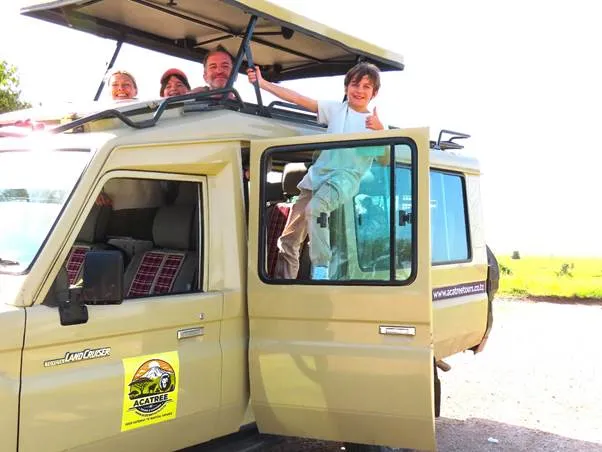
A successful Kilimanjaro climb is about much more than reaching the summit—it’s about having the confidence that every aspect of your journey is carefully planned and professionally managed. Choosing a trusted local trekking operator means you’ll benefit from experienced mountain guides, well-organized itineraries, a strong focus on safety, and valuable local knowledge that enhances your overall experience. From your arrival in Tanzania to your final descent from the mountain, the right team can make your adventure smoother, safer, and more enjoyable.
If you’re planning your first trek, Aca tree tours is a trusted local tour operator based in Moshi, Tanzania, specializing in professionally guided Mount Kilimanjaro Climbing Tours. With years of experience leading climbers from around the world, the team is committed to delivering safe, responsible, and memorable trekking experiences while helping travelers achieve their goal of standing on the Roof of Africa. Whether you’re climbing as a beginner or an experienced hiker, Aca tree tours personalized support and expert guidance throughout your journey.
To learn more about their Kilimanjaro trekking experiences and start planning your adventure, visit:
Final Thoughts
Climbing Mount Kilimanjaro is one of the greatest adventures in Africa. With proper preparation, realistic expectations, and the support of experienced guides, even first-time trekkers can stand on the summit of the continent’s highest mountain.
This unforgettable journey is about more than reaching Uhuru Peak—it is about challenging yourself, experiencing Tanzania’s incredible natural beauty, and creating memories that last a lifetime.
Whether you’re planning your first high-altitude trek or searching for a reliable Kilimanjaro trekking guide, investing time in preparation and choosing the right tour operator will make all the difference.