

Introduction
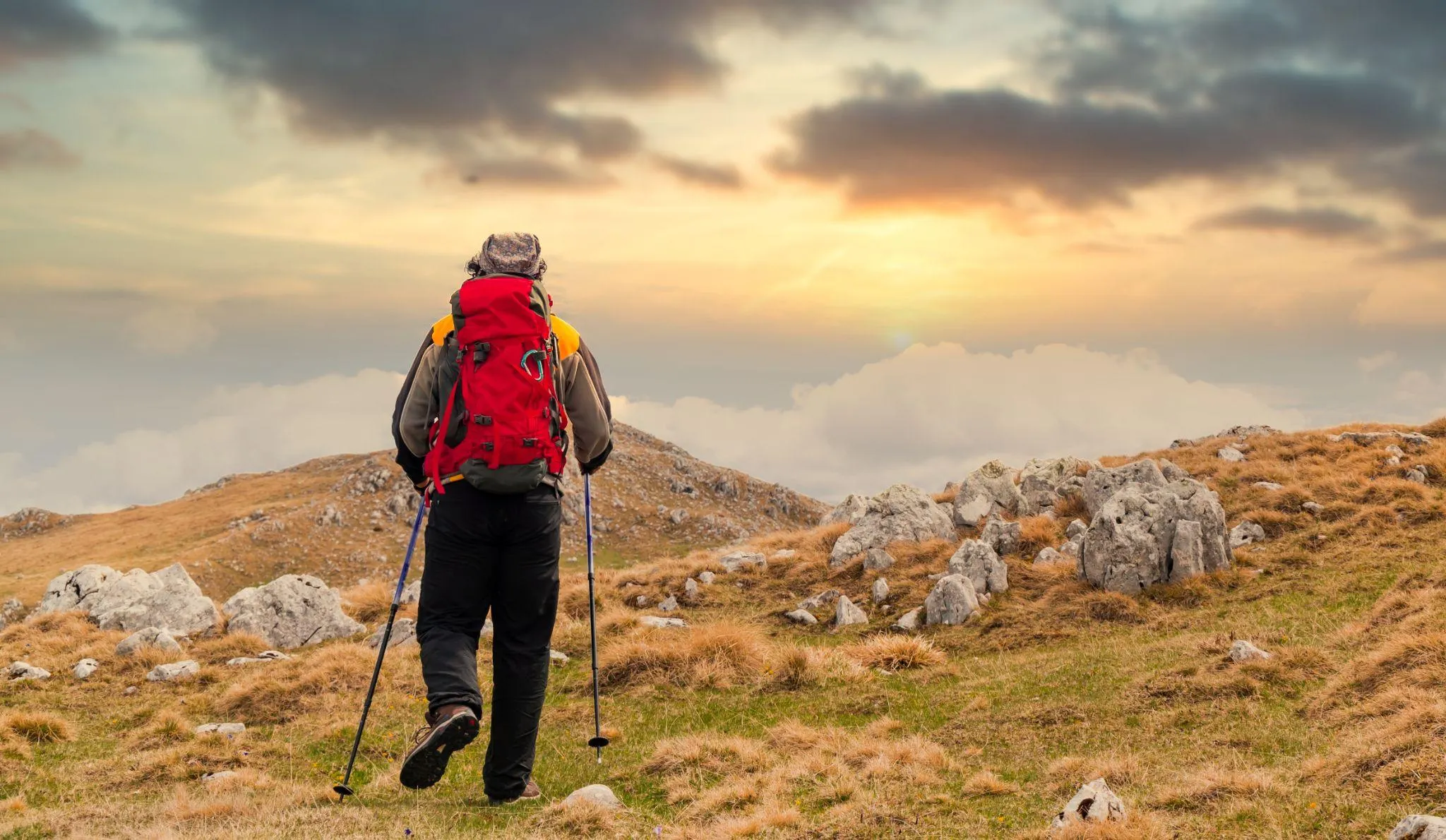
Standing proudly at 5,895 meters (19,341 feet) above sea level, Mount Kilimanjaro is the highest mountain in Africa and one of the world’s most iconic trekking destinations. Every year, thousands of adventure seekers travel from around the globe to experience the challenge and beauty of reaching Uhuru Peak, the mountain’s highest point. Unlike many of the world’s tallest peaks, the Mount Kilimanjaro climb does not require technical mountaineering skills or previous climbing experience, making it one of the most accessible high-altitude adventures for hikers with determination and proper preparation.
However, reaching the summit is about much more than standing on Africa’s highest point. Kilimanjaro trekking is a journey through five unique climate zones, each offering its own landscapes, wildlife, vegetation, and breathtaking scenery. Within just a few days, you’ll walk through lush rainforests filled with towering trees, cross open moorlands covered in giant lobelias, explore dramatic alpine deserts, and finally reach the snow-covered summit overlooking the African continent
Why Climb Mount Kilimanjaro?
Climbing Mount Kilimanjaro is more than just checking another destination off your travel list. It is a personal achievement that combines physical endurance, mental determination, and the opportunity to experience one of Africa’s greatest natural wonders.
For many travelers, reaching Uhuru Peak represents a lifelong dream. Standing above the clouds as the sun rises over Tanzania is an unforgettable moment that few experiences can match. The sense of accomplishment after completing the Mount Kilimanjaro climb stays with climbers long after they return home, making it one of the most rewarding adventures in the world.
Unlike technical mountain expeditions that require ropes, ice axes, and advanced climbing skills, Kilimanjaro trekking is essentially a high-altitude hike. While the altitude presents a significant challenge, most healthy individuals with good preparation, reasonable fitness, and determination can successfully reach the summit when climbing with experienced guides.
The mountain also offers an incredible variety of scenery. Few trekking destinations allow hikers to pass through such dramatically different environments within a single journey. From dense tropical rainforest alive with birds and monkeys to rocky alpine deserts and glaciers near the summit, every stage of the climb feels like exploring a completely different world.
In addition to its natural beauty, climbing Kilimanjaro supports Tanzania’s tourism industry and provides employment for thousands of local guides, porters, cooks, and support staff. Choosing responsible local operators ensures that your adventure contributes directly to local communities while promoting sustainable tourism on Africa’s highest mountain.
Understanding the Different Kilimanjaro Routes
One of the most important decisions you’ll make when planning your adventure is choosing among the various Kilimanjaro routes. Each route offers different scenery, levels of difficulty, acclimatization opportunities, and summit success rates.
Some routes are ideal for beginners seeking gradual acclimatization, while others appeal to experienced hikers looking for a greater challenge. Selecting the right route significantly improves your chances of reaching the summit comfortably and safely.
The most popular Kilimanjaro routes include:
-
Machame Route
-
Lemosho Route
-
Marangu Route
-
Rongai Route
-
Northern Circuit
-
Shira Route
-
Umbwe Route
Each route has its own personality, unique landscapes, and recommended duration. Understanding these differences helps climbers choose the itinerary best suited to their experience, fitness level, and travel goals.
Best Time for Kilimanjaro Trekking
One of the most common questions travelers ask is when they should plan their Mount Kilimanjaro climb. Fortunately, Kilimanjaro can be climbed throughout the year, although weather conditions vary by season.
The two most popular climbing seasons are January to March and June to October.
From January to March, temperatures are generally cooler at the summit, and the mountain is often less crowded. Snow is more likely to be present near Uhuru Peak, creating spectacular scenery for photographers.
The June to October season offers dry weather, excellent visibility, and stable trekking conditions. These months are particularly popular among international travelers and provide outstanding opportunities for clear panoramic views during the climb.
The rainy seasons, typically from April to May and again during November, bring wetter trails and increased cloud cover. While climbing is still possible, many trekkers prefer the drier months for greater comfort and better summit conditions.
Regardless of when you choose to visit, proper preparation, experienced guides, and selecting the right itinerary play a much greater role in summit success than the season itself. With the right planning, Kilimanjaro trekking can be an unforgettable adventure at almost any time of year.
Choosing the Best Kilimanjaro Route
One of the most important decisions you’ll make before starting your Mount Kilimanjaro climb is selecting the right route. Although every trail leads to the same summit—Uhuru Peak—each route offers a completely different experience in terms of scenery, duration, difficulty, acclimatization, and overall success rate.
Some Kilimanjaro routes are ideal for first-time trekkers who want a gradual ascent and better acclimatization, while others are designed for experienced hikers looking for a more demanding adventure. Taking the time to choose the right route can significantly improve your chances of reaching the summit while making your Kilimanjaro trekking experience more enjoyable and comfortable.
Machame Route – The Most Popular Choice
The Machame Route, often called the “Whiskey Route,” is one of the most popular Kilimanjaro routes and is recommended for trekkers seeking spectacular scenery and a good balance between challenge and acclimatization.
Typically completed in six or seven days, this route passes through lush rainforest, open moorland, alpine desert, and finally the arctic summit zone. One of its biggest advantages is the “climb high, sleep low” approach, which gives your body more time to adapt to the altitude and increases your chances of reaching Uhuru Peak.
The Machame Route is known for its dramatic landscapes, including the impressive Barranco Wall, sweeping mountain ridges, and breathtaking summit views. While it is physically demanding, it rewards trekkers with some of the most beautiful scenery on the mountain and one of the highest summit success rates among the shorter routes.
Lemosho Route – Ideal for First-Time Trekkers
If you’re looking for one of the best Kilimanjaro routes for acclimatization, the Lemosho Route is an excellent choice. Starting on the western side of the mountain, it offers a quieter beginning before joining the Machame Route higher up the mountain.
Most itineraries last between seven and eight days, giving trekkers plenty of time to adjust to the altitude. The extra days greatly improve summit success while allowing hikers to enjoy a slower, more relaxed pace.
The Lemosho Route is famous for its stunning scenery, peaceful trails, and incredible wildlife. During the first days, trekkers may even encounter colobus monkeys and other forest wildlife before entering the higher alpine zones.
For many experienced guides, Lemosho represents the perfect combination of beautiful landscapes, gradual acclimatization, and excellent summit success, making it one of the finest options for Tanzania trekking.
Marangu Route – The Classic Kilimanjaro Trail
The Marangu Route, commonly known as the “Coca-Cola Route,” is the oldest and most established path on Mount Kilimanjaro.
Unlike the other Kilimanjaro routes, Marangu is the only route that offers mountain huts instead of tents. This makes it an attractive option for trekkers who prefer sleeping indoors rather than camping.
Most climbers complete the Marangu Route in five or six days. While the shorter itinerary appeals to many travelers, the reduced acclimatization period means summit success rates are generally lower compared to longer routes such as Lemosho or Machame.
Nevertheless, Marangu remains a popular choice for those seeking a more traditional Mount Kilimanjaro climb with comfortable hut accommodation.
Rongai Route – A Quiet and Scenic Adventure
Approaching Kilimanjaro from the northern side near the Kenyan border, the Rongai Route offers one of the quietest trekking experiences on the mountain.
Because fewer people use this route, it provides a peaceful atmosphere and an excellent opportunity to enjoy the mountain’s natural beauty without large crowds.
The northern slopes also receive less rainfall than the southern routes, making Rongai an attractive option during wetter months.
Although the scenery is slightly less dramatic than Machame or Lemosho, the gradual ascent makes Rongai suitable for beginners seeking a comfortable Kilimanjaro trekking experience.
Northern Circuit – The Highest Summit Success Rate
For travelers with extra time, the Northern Circuit is widely considered the best route for acclimatization.
Usually completed in eight or nine days, it circles much of the mountain before making the final summit attempt. The longer itinerary allows climbers to ascend gradually, giving their bodies ample time to adapt to the altitude.
The Northern Circuit also offers the highest summit success rates of all Kilimanjaro routes, making it an excellent option for those whose primary goal is reaching Uhuru Peak.
Another major advantage is the low number of trekkers. The route remains relatively uncrowded, providing a peaceful wilderness experience and panoramic views rarely seen on shorter routes.
Umbwe Route – For Experienced Trekkers
The Umbwe Route is widely regarded as the most challenging of all Kilimanjaro routes.
Its steep ascent and rapid gain in altitude make it suitable only for experienced hikers who are comfortable trekking at higher elevations.
Although the scenery is spectacular, the limited acclimatization time reduces summit success compared to longer routes. For this reason, most guides recommend Machame or Lemosho for first-time climbers instead.
Shira Route – Beautiful but Less Common
The Shira Route begins at a much higher elevation than most other trails, meaning trekkers spend less time walking through the rainforest.
It follows a similar path to the Lemosho Route after the first day and offers magnificent views across the Shira Plateau, one of Kilimanjaro’s oldest volcanic formations.
Because the starting altitude is already quite high, this route is generally recommended for trekkers who already have experience with altitude.
How Many Days Should You Spend on Kilimanjaro?
One of the biggest mistakes climbers make is choosing the shortest itinerary simply to save time or money. While five-day climbs may seem attractive, they often provide insufficient time for acclimatization, significantly reducing summit success.
Most experienced mountain guides recommend spending at least seven days on the mountain. Longer itineraries allow your body to adapt gradually to the decreasing oxygen levels, making the climb safer, more comfortable, and far more enjoyable.
Remember, reaching Uhuru Peak isn’t a race. The extra day or two can make the difference between turning back early and celebrating your achievement at Africa’s highest point.
Why Choose a Local Operator for Your Mount Kilimanjaro Climb?
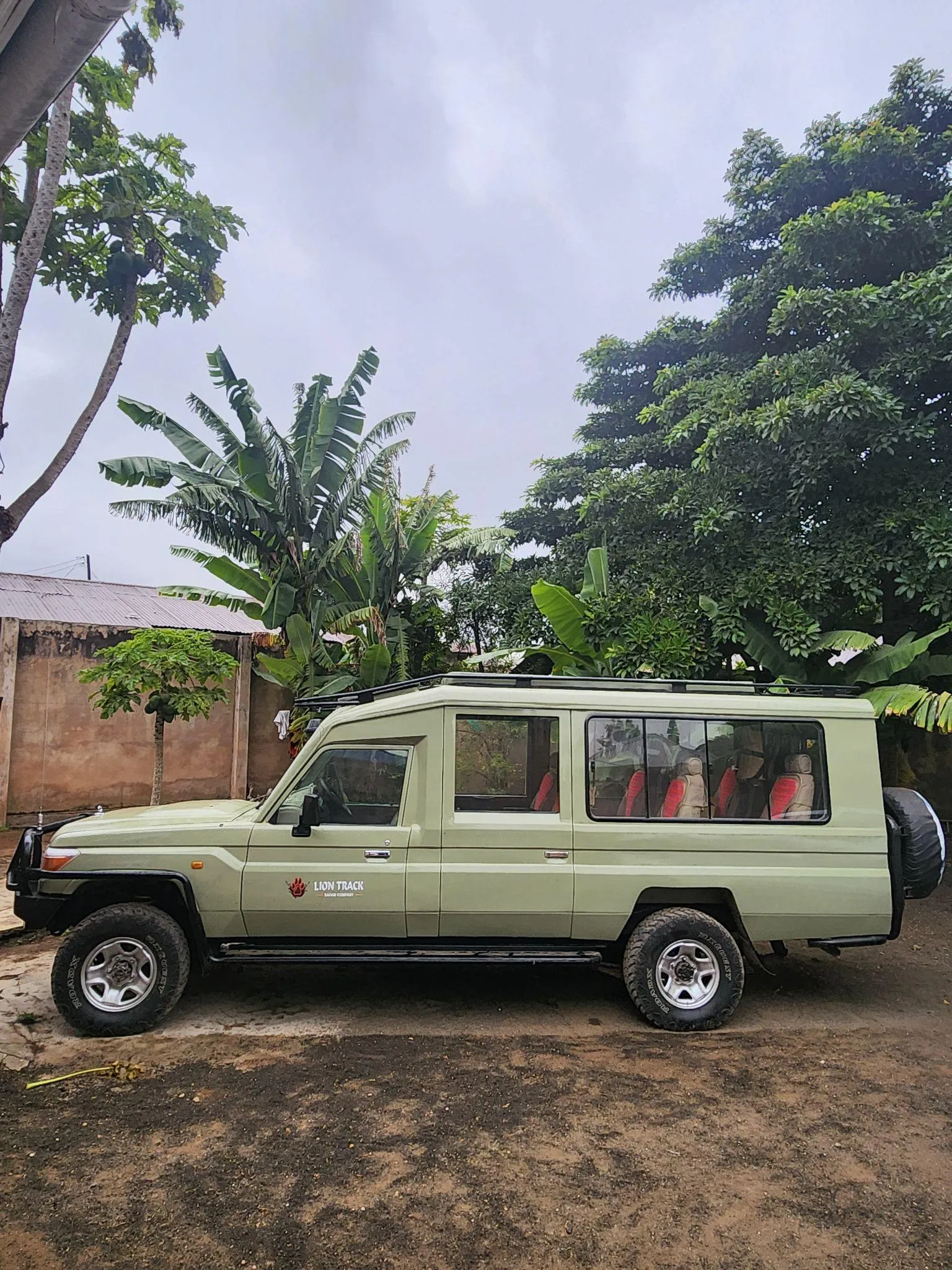
Reaching the summit of Mount Kilimanjaro is a remarkable achievement, but the quality of your experience depends greatly on the team that leads you there. While choosing the right route and preparing physically are important, selecting an experienced local trekking operator is one of the most valuable decisions you can make. A trusted local company not only increases your chances of reaching Uhuru Peak safely but also ensures that every step of your journey is well organized, enjoyable, and meaningful.
Local operators have an unmatched understanding of Mount Kilimanjaro. Their guides spend hundreds of days on the mountain every year, carefully monitoring weather conditions, trail conditions, and altitude-related challenges. They know how to pace each day’s trek, recognize the early signs of altitude sickness, and provide encouragement when the climb becomes physically and mentally demanding. This experience makes a significant difference in helping climbers complete a successful Mount Kilimanjaro climb.
Another major advantage of choosing a local company is the personalized service you receive. From your arrival in Tanzania until your summit attempt and return, experienced local teams take care of every detail, including airport transfers, hotel accommodation, park permits, quality camping equipment, nutritious meals, and daily logistics on the mountain. This allows you to focus entirely on enjoying your Kilimanjaro trekking adventure without worrying about the practical arrangements.
Local operators also employ professional mountain guides, skilled cooks, and hardworking porters who are passionate about sharing Tanzania’s natural beauty with visitors from around the world. These dedicated teams work tirelessly behind the scenes to ensure your comfort and safety throughout the trek. Their knowledge, encouragement, and warm hospitality often become one of the most memorable parts of the entire experience.
Choosing a responsible local trekking company also means your adventure directly benefits Tanzania’s economy. Your booking supports local employment, helps families and communities, and contributes to the continued protection of Kilimanjaro National Park through sustainable tourism. Responsible tourism ensures that future generations will continue to enjoy one of Africa’s greatest natural landmarks while supporting the people who help preserve it.
Why Trek with Lion Track Safari Company?
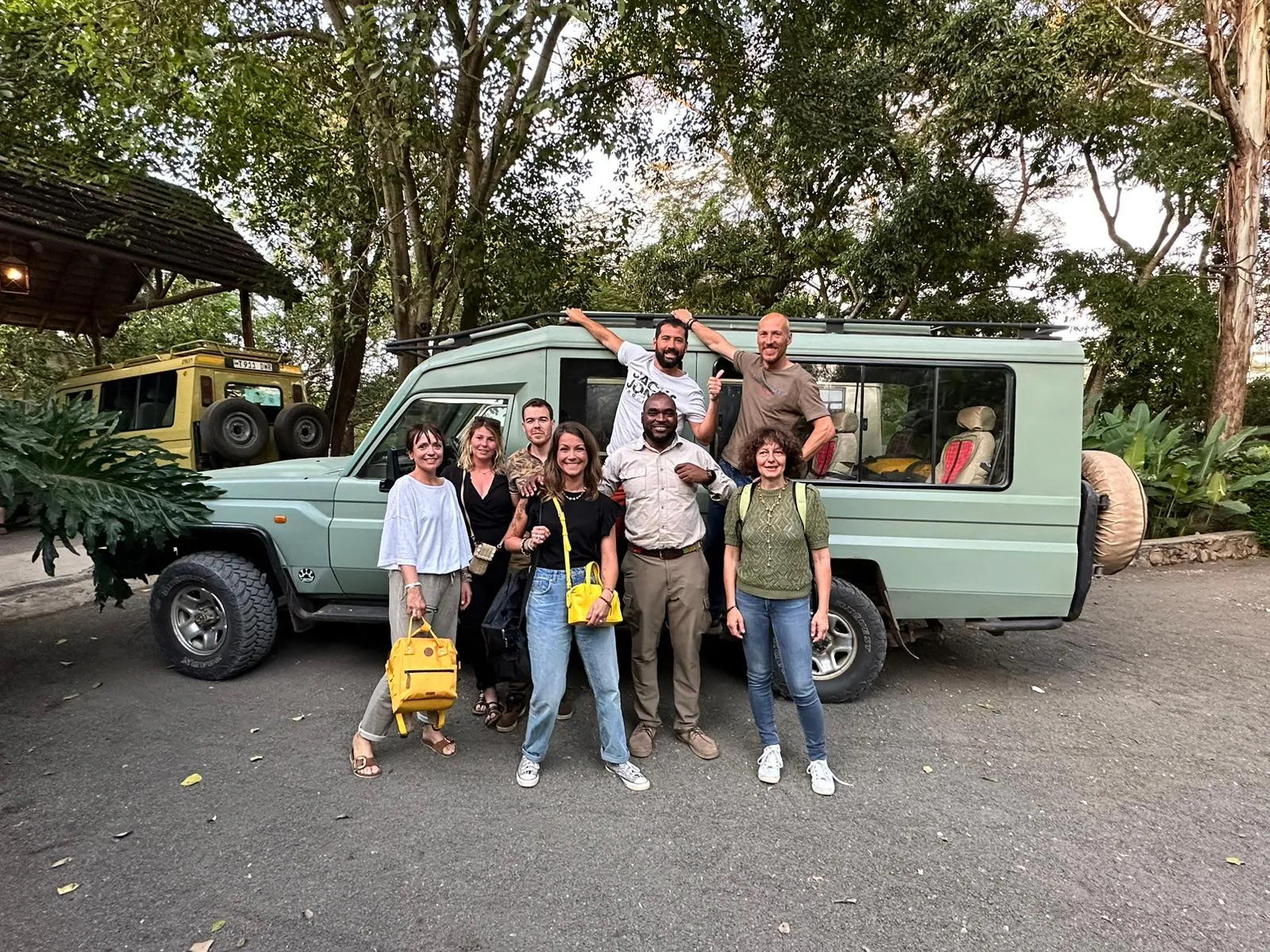
If you’re looking for a trusted partner for your Kilimanjaro trekking adventure, Lion Track Safari Company is committed to providing safe, professional, and unforgettable climbing experiences on Africa’s highest mountain.
With experienced local mountain guides, carefully planned itineraries, and personalized service, Lion Track Safari Company helps climbers of all experience levels achieve their dream of standing on Uhuru Peak. Whether you choose the scenic Lemosho Route, the popular Machame Route, the classic Marangu Route, or another of the well-known Kilimanjaro routes, every expedition is designed with your safety, comfort, and summit success in mind.
Beyond the mountain, Lion Track Safari Company also offers customized Tanzania trekking adventures, wildlife safaris, cultural tours, and Zanzibar beach holidays. This means you can combine your Mount Kilimanjaro climb with an unforgettable safari through Serengeti National Park, Ngorongoro Crater, Tarangire National Park, or Lake Manyara National Park to experience the very best of Tanzania in one incredible journey.
From your first inquiry to your final descent from the summit, the team is dedicated to delivering exceptional service, transparent communication, and authentic Tanzanian hospitality. Their local expertise, professional guides, and commitment to responsible tourism make them a trusted choice for travelers seeking a memorable adventure in Tanzania.
If you’ve been dreaming of climbing Africa’s highest mountain, now is the perfect time to begin planning your journey with a reliable local operator who understands every aspect of the mountain and is passionate about helping you succeed.