

Introduction
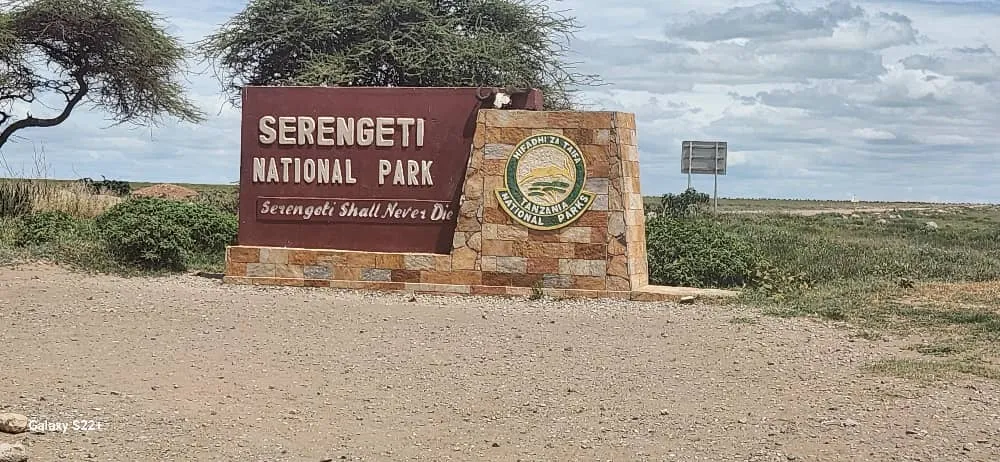
Few places on Earth inspire adventure quite like Serengeti National Park. Covering nearly 15,000 square kilometers of endless grasslands, acacia woodlands, rocky kopjes, and seasonal rivers, the Serengeti is one of Africa’s greatest wildlife destinations. Every year, travelers from around the world visit this iconic national park to witness extraordinary Serengeti wildlife, experience thrilling game drives, and discover why it remains the heart of every unforgettable Tanzania safari.
A visit to the Serengeti is much more than simply spotting animals. It is about watching nature unfold in its purest form. Every sunrise brings new opportunities, whether it’s a pride of lions preparing for a hunt, elephants crossing the open plains, cheetahs scanning the horizon, or thousands of wildebeest moving across the savannah during the Great Migration.
Whether you’re visiting Tanzania for the first time or returning for another adventure, Serengeti National Park promises unforgettable wildlife encounters that few destinations in the world can match.
In this guide, we’ll explore the best wildlife experiences you can enjoy during a Serengeti safari and why the park continues to rank among Africa’s greatest safari destinations.
Witness the Great Wildebeest Migration
No wildlife experience in Tanzania is more famous than the Great Wildebeest Migration.
Every year, more than two million wildebeest, accompanied by hundreds of thousands of zebras and gazelles, move across the Serengeti ecosystem in search of fresh grazing. This incredible journey is considered one of the world’s greatest natural spectacles.
Depending on the season, visitors may witness dramatic river crossings, newborn calves taking their first steps, or predators following the migrating herds across the plains.
The migration is constantly moving, meaning every visit offers a different experience.
Watching thousands of animals stretching to the horizon is one of the most unforgettable moments of any Serengeti safari.
Search for the Big Five Tanzania
For many visitors, seeing the Big Five Tanzania is the highlight of their safari.
The Serengeti is one of the best places in Africa to encounter these iconic animals in their natural habitat.
The famous Big Five include:
-
Lion
-
Leopard
-
Elephant
-
Buffalo
-
Rhinoceros
Although black rhinos are relatively rare within the Serengeti itself, nearby conservation areas such as the Ngorongoro Crater provide excellent opportunities to complete your Big Five checklist.
Experienced guides know where wildlife is most active, significantly increasing your chances of remarkable sightings.
Few places offer better opportunities to experience the incredible diversity of Serengeti wildlife.
Watch Lions Rule the Savannah
The Serengeti supports one of Africa’s largest lion populations.
It is common to see prides resting beneath acacia trees, mothers caring for playful cubs, dominant males defending their territory, or lions working together during a hunt.
Early morning and late afternoon game drives often provide the best opportunities to observe these magnificent predators while they are most active.
Watching lions interact naturally in the wild is one of the defining experiences of every Tanzania safari.
Spot Elusive Leopards
Leopards are among Africa’s most mysterious predators.
Unlike lions, they are solitary and incredibly skilled at remaining hidden within trees or rocky landscapes.
Professional safari guides carefully search riverbanks, large acacia trees, and granite kopjes where leopards frequently rest during the day.
Successfully spotting one of these beautiful cats is often considered one of the most rewarding moments of a Serengeti safari.
Witness Cheetahs in Action
The Serengeti’s vast open plains create the perfect habitat for cheetahs.
As the fastest land animals on Earth, cheetahs rely on speed rather than strength to capture prey.
Visitors often observe them sitting on termite mounds while scanning the grasslands before launching astonishing high-speed chases across the savannah.
These incredible displays of speed and precision make cheetah sightings one of the most exciting wildlife experiences in Tanzania.
Encounter Massive Elephant Herds
Although Tarangire is famous for its elephants, the Serengeti is also home to impressive elephant populations.
Family groups move peacefully across the plains, gathering around rivers and woodlands where food and water are plentiful.
Watching young calves play beneath the protection of older females provides unforgettable moments and wonderful photographic opportunities.
Elephants remain one of the most beloved animals encountered during a Tanzania safari.
Discover the Hidden World of the Serengeti
While the Serengeti is famous for large mammals, its smaller wildlife is equally fascinating.
Visitors frequently encounter:
-
Giraffes
-
Zebras
-
Hippos
-
Crocodiles
-
Hyenas
-
Jackals
-
Warthogs
-
Topis
-
Impalas
-
Grant’s gazelles
-
Thomson’s gazelles
-
Elands
-
Ostriches
-
Secretary birds
-
Vultures
-
Eagles
Each species plays an important role within the Serengeti ecosystem, creating one of the richest wildlife habitats on Earth.
Explore the Famous Serengeti Kopjes
One of the park’s most recognizable features is its ancient granite rock formations known as kopjes.
These rocky outcrops provide ideal lookout points for lions, leopards, and cheetahs while offering shelter for hyraxes, reptiles, and numerous bird species.
Many of the Serengeti’s most iconic wildlife photographs are taken around these dramatic rock formations.
Visiting the kopjes gives travelers a deeper appreciation of the diverse landscapes that make Serengeti wildlife so extraordinary.
Discover Over 500 Bird Species
While the Serengeti is famous for its large mammals, it is also a paradise for bird lovers.
More than 500 bird species have been recorded in the park, making it one of the finest birdwatching destinations in Africa. Whether you’re an experienced birder or simply enjoy observing colorful wildlife, the Serengeti offers an incredible variety of resident and migratory birds.
Common sightings include:
-
Secretary birds
-
Kori bustards
-
Ostriches
-
Martial eagles
-
African fish eagles
-
Lilac-breasted rollers
-
Grey crowned cranes
-
Vultures
-
Hornbills
-
Bee-eaters
-
Kingfishers
-
Herons
Many of these birds are active throughout the day, adding another exciting dimension to every Serengeti safari. During the green season, migratory birds arrive from Europe and Asia, making birdwatching even more rewarding.
Experience Sunrise and Sunset Game Drives
Every hour in the Serengeti offers something different, but sunrise and sunset are especially magical.
Early morning game drives provide excellent opportunities to witness predators returning from a night’s hunt while herbivores begin grazing across the plains. The cool temperatures also encourage animals to remain active before the midday heat.
As evening approaches, the landscape transforms into shades of gold, orange, and crimson. Elephants walk toward water sources, giraffes cast long shadows across the savannah, and lions begin preparing for another night of hunting.
These golden hours not only increase wildlife activity but also provide some of the most spectacular photography opportunities during a Tanzania safari.
Float Above the Plains on a Hot Air Balloon Safari
For travelers seeking a truly unforgettable adventure, a hot air balloon safari offers one of the most unique ways to experience Serengeti wildlife.
Your journey begins before sunrise as the balloon gently lifts above the endless plains. From the sky, you’ll enjoy breathtaking panoramic views while watching herds of elephants, giraffes, wildebeests, zebras, buffaloes, and antelope moving below.
If you’re visiting during the Great Migration, the aerial perspective allows you to appreciate the incredible scale of millions of animals stretching across the landscape.
Most balloon safaris conclude with a traditional bush breakfast served in the heart of the Serengeti, making it one of the most memorable experiences of any safari holiday.
Learn from Experienced Local Safari Guides
One of the biggest reasons visitors enjoy incredible wildlife sightings is the knowledge of professional local guides.
Experienced guides spend hundreds of days every year exploring the Serengeti. They understand seasonal wildlife movements, animal behavior, weather patterns, and the best locations for unforgettable game viewing.
They also communicate with other guides throughout the park, helping locate wildlife while respecting conservation rules and responsible tourism practices.
Beyond finding animals, guides explain fascinating details about predator behavior, migration patterns, birdlife, ecosystems, and the delicate balance that makes the Serengeti one of the world’s greatest wildlife reserves.
Their expertise transforms every game drive into an educational adventure.
The Best Time to Visit Serengeti National Park
One of the greatest advantages of the Serengeti is that it offers exceptional wildlife viewing throughout the year.
June to October (Dry Season):
This is considered the best time for classic safari experiences. Vegetation becomes thinner, animals gather near water sources, and wildlife is generally easier to spot.
January to March (Calving Season):
The southern Serengeti comes alive as thousands of wildebeest calves are born. This season attracts numerous predators and offers incredible opportunities to witness dramatic wildlife interactions.
April and May (Green Season):
Although rainfall is more common, the landscapes become beautifully green, visitor numbers decrease, and photography conditions are excellent.
November and December:
Short rains refresh the plains, migratory birds arrive, and wildlife remains abundant throughout the park.
No matter when you visit, every season offers unique wildlife experiences and breathtaking scenery.
Photography Tips for an Unforgettable Serengeti Safari
The Serengeti is one of the world’s finest destinations for wildlife photography.
To capture incredible images:
-
Bring binoculars along with your camera.
-
Use a zoom lens if possible.
-
Keep extra batteries and memory cards.
-
Wear neutral-colored clothing that blends with the environment.
-
Listen carefully to your guide’s photography advice.
-
Be patient—great wildlife moments often happen unexpectedly.
-
Take advantage of soft morning and evening light.
-
Don’t focus only on the Big Five—landscapes, birds, sunsets, and smaller animals also create unforgettable photographs.
Remember that the most memorable wildlife photographs often come from simply observing nature patiently rather than rushing between sightings.
Practice Responsible Wildlife Tourism
Every visitor plays an important role in protecting the Serengeti for future generations.
Responsible tourism includes respecting wildlife, staying on designated roads, avoiding loud noises, following your guide’s instructions, and never attempting to feed or approach animals.
Park entrance fees contribute directly to wildlife conservation, anti-poaching initiatives, scientific research, and habitat protection.
By choosing responsible safari operators, travelers help preserve one of Africa’s most valuable ecosystems while supporting local communities whose livelihoods depend on sustainable tourism.
Explore Serengeti National Park with Big Three Tours and Safaris
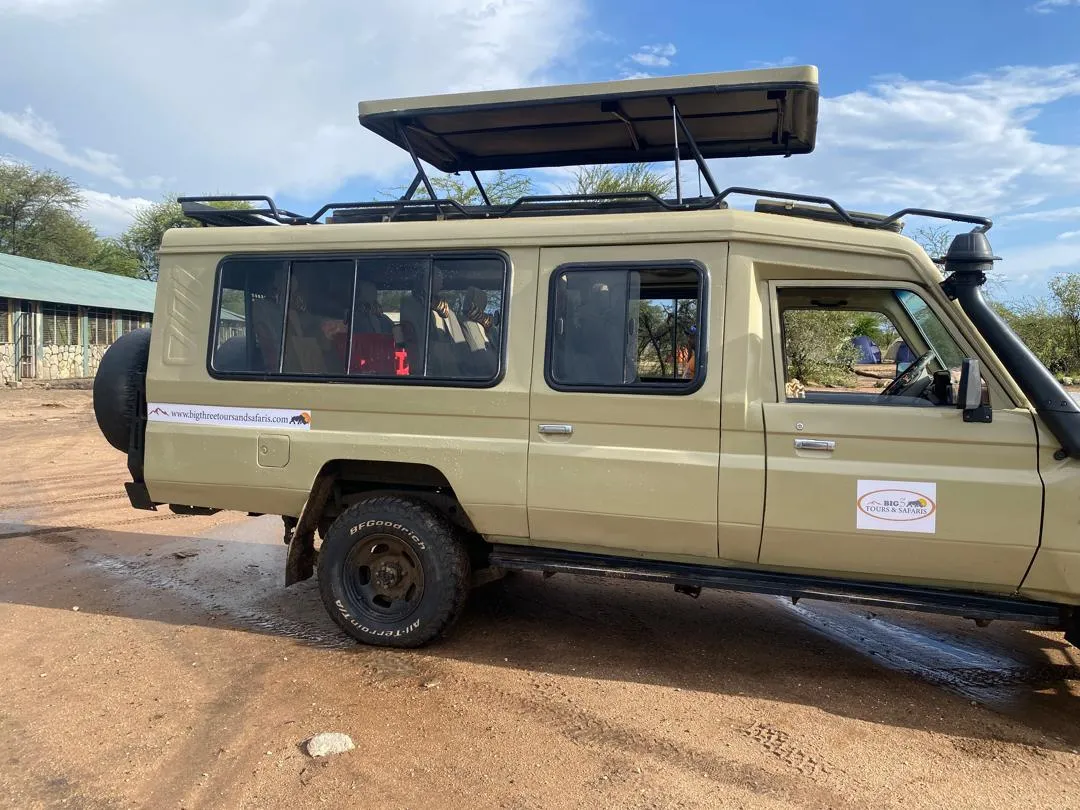
Your safari experience depends not only on where you go but also on who guides your journey.
Big Three Tours and Safaris specializes in unforgettable Serengeti safari experiences designed for travelers who want to experience the very best of Tanzania’s wildlife. Whether you’re visiting for the Great Wildebeest Migration, hoping to spot the Big Five Tanzania, planning a photography safari, or enjoying your first African adventure, every itinerary is carefully customized to suit your travel style and interests.
With experienced local guides, comfortable 4×4 safari vehicles, carefully selected accommodations, and extensive knowledge of Serengeti wildlife, the team ensures every game drive is both exciting and informative.
Beyond the Serengeti, Big Three Tours and Safaris also offers expertly planned itineraries that include Ngorongoro Crater, Tarangire National Park, Lake Manyara, Mount Kilimanjaro, and Zanzibar, allowing travelers to experience the incredible diversity of Tanzania in one seamless journey.
Choosing a trusted local operator means you’ll enjoy personalized service, expert guidance, and unforgettable wildlife encounters from the moment your adventure begins.
Conclusion
There is a reason why Serengeti National Park is considered one of the greatest wildlife destinations on Earth.
From witnessing the breathtaking Great Wildebeest Migration and searching for the Big Five Tanzania to photographing magnificent predators, enjoying sunrise game drives, floating above the plains in a hot air balloon, and learning from expert local guides, every day in the Serengeti brings new adventures.
A Serengeti safari is far more than a holiday—it’s an opportunity to experience nature at its wildest and most beautiful.
With the expertise of Big Three Tours and Safaris, your journey through Tanzania’s most famous national park becomes a carefully crafted adventure filled with extraordinary wildlife, stunning landscapes, and lifelong memories.
Frequently Asked Questions
1. What makes Serengeti National Park famous?
The Serengeti is famous for the Great Wildebeest Migration, exceptional wildlife viewing, vast open plains, and incredible predator populations.
2. Can I see the Big Five in the Serengeti?
Yes. Lions, elephants, leopards, and buffaloes are commonly seen in the Serengeti. Black rhinos are rare within the park but are more easily spotted in the nearby Ngorongoro Conservation Area.
3. When is the best time for a Serengeti safari?
June to October is excellent for wildlife viewing, while January to March is ideal for the wildebeest calving season.
4. How many days should I spend in the Serengeti?
A stay of 2 to 4 days allows enough time to explore different areas of the park and enjoy multiple game drives.
5. Is a hot air balloon safari worth it?
Yes. It offers breathtaking aerial views of the Serengeti and is considered one of Tanzania’s most unforgettable safari experiences.
6. What wildlife can I expect to see?
You may encounter lions, elephants, leopards, cheetahs, giraffes, zebras, wildebeests, buffaloes, hyenas, hippos, crocodiles, antelope, and hundreds of bird species.
7. Is the Serengeti good for photography?
Absolutely. Its open landscapes, abundant wildlife, dramatic lighting, and seasonal migration make it one of the world’s top wildlife photography destinations.
8. Can families visit the Serengeti?
Yes. Many safari lodges and tour operators offer family-friendly itineraries suitable for travelers with children.
9. Why should I book with a local safari company?
Local operators provide experienced guides, customized itineraries, insider knowledge, and seamless travel arrangements that greatly enhance your safari experience.
10. Why choose Big Three Tours and Safaris?
Big Three Tours and Safaris offers expertly guided Serengeti safari adventures with professional local guides, customized itineraries, quality accommodations, and exceptional service, ensuring every traveler experiences the very best of Tanzania’s wildlife.